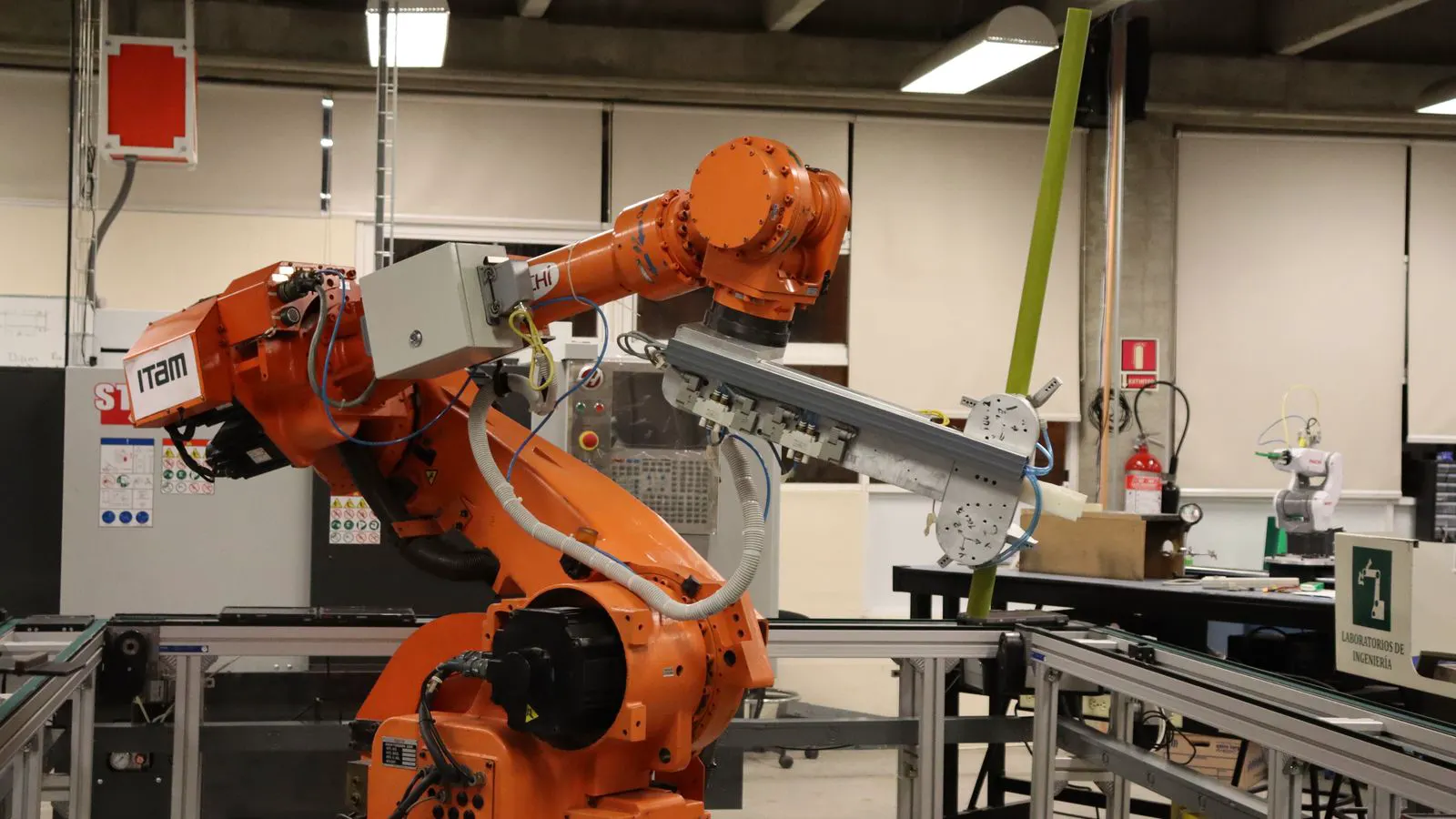
Lightweight automation is moving from isolated cells to continuous material handling. Buyers should plan for force-sensing controls, modular cobot cells, and data integration. This guide outlines five practical shifts and preparation steps for warehouse managers.
- Lightweight automation is replacing heavy gantries for many pick and pack tasks.
- Force sensing and modular end effectors reduce integration time for cobot cells.
- Warehouse robots are shifting from single-task machines to flexible handling units.
- Buyers should standardize communication protocols to avoid vendor lock-in.
- Safety planning must account for shared workspaces with human operators.
Warehouse operations are shifting toward lighter, more flexible equipment. Heavy duty gantries and fixed conveyor lines are giving way to mobile and collaborative units that handle variable product sizes. Lightweight automation is not just about smaller robots. It is about reducing the weight of the entire system while maintaining reliable force control and safety.
This trend is driven by space constraints and changing product mixes. Many warehouses now handle a wider variety of SKUs than before. Fixed automation struggles with this variability. Cobots and lightweight mobile robots can be repositioned or reprogrammed to handle different tasks. This flexibility is changing how buyers evaluate their equipment.
Why Force Sensing is Changing Cobot Integration
Force sensing is moving from a premium feature to a baseline expectation. In a shared workspace, a robot must detect contact before it damages product or injures a worker. For a lightweight cobot, this means the controller must react quickly. The software must map the expected resistance of a task.
In a typical pick operation, the robot approaches a carton. The force sensor detects when the gripper closes. If the resistance is too high, the controller stops. This prevents crushing soft goods. Without this feedback loop, a fixed arm relies on hard limits. A collaborative system relies on continuous data.
Buyers should ask suppliers how force data is logged. This data helps tune the robot over time. A well-tuned system reduces cycle time. It also lowers the risk of false stops. When evaluating a cobot, check the resolution of the force sensors. Higher resolution allows for gentler handling of fragile items.
How Modular End Effectors Reduce Setup Time
End effectors are the hands of the robot. In traditional cells, swapping grippers can take hours. It involves removing hardware and recalibrating the system. Lightweight automation uses quick-change interfaces. These allow operators to swap grippers in minutes.
A typical setup might use a parallel gripper for boxes and a suction cup for flat materials. With modular tools, the operator changes the tool based on the shift. The robot software updates the kinematics automatically. This reduces the downtime between product changes.
Buyers should look for standardized mounting plates. If the current vendor uses a proprietary mount, future upgrades will cost more. Standard mounts allow you to use tools from different manufacturers. This keeps your options open. It also simplifies maintenance. A worn gripper can be replaced without sending the whole robot to a service center.
The Shift from Single-Task Robots to Flexible Handling
Warehouse robots are becoming more general purpose. Earlier models were built for one specific task. They moved pallets or fed items into a line. Today, a single unit might sort items, stage a pick, and return to a charging station. This requires better path planning.
A lightweight mobile robot can navigate around forklifts and workers. It uses sensors to avoid obstacles. The control system must calculate a new path in real time. This is different from a fixed robot that follows a programmed rail. The flexible unit must handle unpredictable environments.
Buyers should consider the software stack. The robot hardware is only part of the system. The software manages the fleet. It assigns tasks based on warehouse conditions. If the software is rigid, the hardware will sit idle during peak times. A flexible stack allows you to add new tasks without buying new robots.
Planning for Data Integration and Visibility
Lightweight automation generates more data than traditional equipment. Each robot reports its position, battery level, and task status. This data can be used to optimize warehouse flow. However, it requires a system to collect and display it.
Many warehouses use a Warehouse Management System. This system tracks inventory. It does not always talk to individual robots. You need an integration layer. This layer translates robot data into warehouse instructions.
Buyers should define their data needs before purchase. Do you need real-time tracking of every unit? Do you need historical logs for maintenance? Without these requirements, the integration costs can grow. A clear data plan ensures the robots work with your existing IT infrastructure. It prevents siloed devices that do not communicate effectively.
Safety in Shared Workspaces
Cobots operate alongside humans. This requires a different safety approach than fixed robots. A fixed robot is separated by a fence. A cobot uses sensors and force limits to share space. The risk is higher because the barrier is invisible.
You must map the workspace. Identify where workers stand and move. The robot path must avoid high-risk zones. You also need to test the safety functions. Stop buttons must be reachable from all workstations. The system must shut down safely when a worker enters the path.
Buyers should involve safety officers in the design phase. They can identify blind spots that engineers might miss. A clear safety protocol reduces liability. It also makes workers more comfortable with the new equipment. Training is part of the safety plan. Workers must know how to interact with the robots.
Preparing Your Team for Lightweight Automation
The technology is changing, but the people operating it must adapt. A warehouse manager who knows fixed automation may struggle with collaborative systems. The troubleshooting process is different. You are not fixing a mechanical jam. You are tuning a software parameter.
Invest in training. Your team needs to understand the basics of robot control. They should know how to log a fault and reset a cycle. They should understand the force limits and safety zones. This knowledge prevents small issues from becoming major stoppages.
Consider hiring or training a robotics technician. This person manages the fleet. They update firmware and tune performance. They work with the warehouse layout team. This role is critical for maximizing the value of your investment. Without it, the robots will not perform as expected.
Comparison of Lightweight Automation Options
Choosing the right equipment depends on your specific workflow. The table below compares common lightweight automation options. Each has trade-offs in cost, flexibility, and integration time.
| Option Type | Best For | Integration Complexity | Primary Risk |
|---|---|---|---|
| Fixed Cobot Cell | High volume pick and pack | Low to Medium | Product variety changes |
| Mobile Cobot | Dynamic sorting and staging | Medium | Path planning failures |
| Lightweight Gantry | Large item handling | Medium | Limited footprint flexibility |
| Autonomous Mobile Robot | Pallet and case transport | High | Battery and sensor management |
Final Thoughts on the Roadmap
Lightweight automation is becoming the standard for modern warehouses. It offers flexibility that fixed systems cannot match. It also requires a different approach to planning and maintenance. Buyers must focus on integration and data. The hardware is easy to buy. The real work is in making it fit your operation.
Plan for the next five years. Your current workflow will change. New products will arrive. Staffing levels will fluctuate. Choose systems that can adapt. Avoid buying equipment that is locked to a single task. The goal is a resilient system that can handle growth without major rework.
Start with a small pilot. Test one area of the warehouse. Measure the results. Learn from the process. Then scale. This approach reduces risk. It gives you time to refine your safety and training protocols. It also helps you understand the true cost of ownership.
The future of warehouse logistics is lighter. It is more connected. It is more collaborative. Prepare for these shifts now. The companies that adapt will move faster. They will use their space more effectively. They will reduce the physical strain on their workforce. Lightweight automation is not a trend. It is the new baseline for efficient warehouse operations.
Frequently asked questions
What is the main difference between a cobot and a traditional robot arm?
A cobot is designed to work alongside humans without physical barriers. It uses force sensing to limit contact force. A traditional arm is faster but requires a fenced area.
How long does it take to install a lightweight cobot cell?
Installation time depends on the site readiness. A basic cell can be up and running in days. A complex integration with existing conveyors may take weeks.
Can warehouse robots handle fragile items?
Yes, if they have force sensing and soft grippers. The controller must be tuned to the item's weight and shape. Without proper tuning, even a lightweight robot can damage goods.
Do I need a new Warehouse Management System for cobots?
Not necessarily. Most cobots integrate with existing WMS software. You need an integration layer to translate data between the two systems. Check your current WMS capabilities before buying hardware.
What is the biggest mistake buyers make with lightweight automation?
Buying hardware without planning for integration. The robot needs software, data storage, and operator training. Ignoring these parts leads to downtime and underperformance.