A six-axis robot costs more upfront but offers flexible palletizing across multiple product types. A fixed palletizer costs less and installs faster but suits one specific load. Total cost depends on changeover frequency, cycle time, and integration complexity.
- A six-axis robot costs more upfront but handles mixed pallet patterns better than a fixed palletizer.
- Lead time is driven more by integration and safety certification than by the robot itself.
- Total cost of ownership includes maintenance, spare parts, and the cost of downtime during changeovers.
- Write a clear RFQ with exact pallet dimensions, cycle time, and safety standards to get comparable quotes.
Why the upfront price differs between six-axis and fixed systems
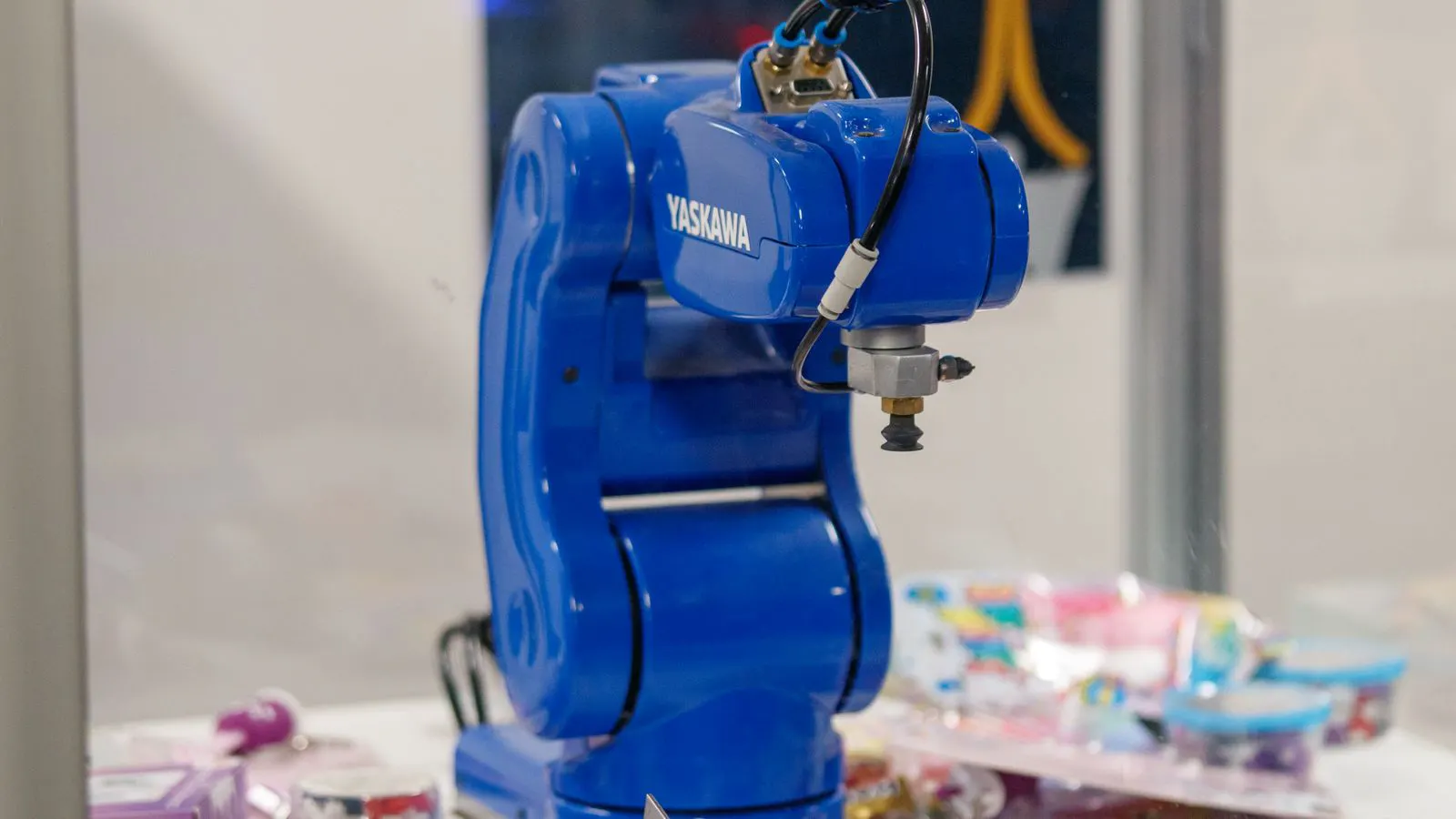
A six-axis robot typically costs significantly more than a fixed palletizer. The price gap comes from the joint count, payload capacity, and the control complexity required to move a wrist through multiple axes. A fixed palletizer uses linear axes and a single moving platform. It has fewer moving parts and less complex motion planning.
The robot also needs more software. A fixed palletizer runs a simple sequence. A six-axis robot needs motion planning to reach every pallet position without the arm colliding with the load or the frame. This software complexity adds to the initial capital outflow.
Buyers should not judge the purchase on the sticker price alone. The real cost is the total cost of ownership over five to ten years. A fixed palletizer may save money on day one, but it can cost more later if the product mix changes.
What drives the lead time for each option
Lead time has two parts. The first is the manufacturing and shipment of the machine. The second is the on-site installation and integration. For a fixed palletizer, the machine itself is often ready quickly. The installation is simple because the footprint is fixed.
For a six-axis robot, the machine lead time may be similar to a fixed system. The integration lead time is longer. The robot needs a control cabinet, safety sensors, and often a vision system. The robot must be taught to handle different pallet patterns. If the robot must work near humans, safety certification adds weeks to the timeline.
The biggest driver of lead time is not the robot or the palletizer. It is the integration with the existing line. If the conveyor speed changes, or if the product dimensions vary, the integration work expands.
How to compare quotes fairly
Suppliers quote different things. Some include the robot, the cabinet, and the safety sensors. Others quote the robot only and list the cabinet as an option. Compare the full scope. A quote that looks cheap may miss the safety fencing and the software licensing.
Ask each supplier for a bill of materials. This lists the exact components. It shows whether the quote includes the end effector, the gripper, and the palletizing software. It also shows whether the supplier includes the travel time for commissioning.
Do not compare a robot quote to a palletizer quote without adjusting for function. A robot that can palletize three different products is not the same as a fixed palletizer that handles one. Adjust the quote to match the same production volume and the same changeover frequency.
Cost drivers that matter most
The table below lists the main cost drivers. It helps buyers see where the money goes.
| Cost Driver | Six-Axis Robot | Fixed Palletizer |
|---|---|---|
| Hardware | High. More joints and a larger payload. | Low. Linear axes and a single platform. |
| Software | High. Motion planning and vision integration. | Low. Simple sequence control. |
| Safety | High. Requires advanced sensors and interlocks. | Moderate. Basic fencing and light curtains. |
| Changeover | High. Requires new pallet patterns and teaching. | Low. Mechanical changes only. |
| Maintenance | Moderate. More moving parts but self-diagnostic. | Low. Fewer parts to wear. |
How to write a clear RFQ
A poor RFQ produces poor quotes. Suppliers will guess at the requirements. They will assume standard pallet sizes and standard cycle times. The quote will be off.
Start with the pallet dimensions. List the width, depth, and height. State the maximum weight per pallet. Give the cycle time target. Say how many pallets per hour the line must produce.
Next, describe the product mix. List the different box sizes and weights. State how often the mix changes. If the mix changes daily, the cost of changeover matters more than the cost of the robot.
Include the safety environment. State whether the robot works near operators. List the required safety standards. Mention any local regulations. This forces suppliers to include the safety hardware and the certification time in the quote.
Finally, ask for the lead time breakdown. Request the manufacturing lead time, the shipping time, and the installation time. This prevents a supplier from quoting a short lead time for the machine but a long lead time for the installation.
Total cost of ownership over five years
The first year is the easiest to compare. The robot costs more. The fixed palletizer costs less. The real test is years two through five.
A fixed palletizer costs less to maintain. It has fewer parts. It does not need software updates for new pallet patterns. But if the product line changes, the fixed palletizer may stop working. The cost of replacing it can be high.
A six-axis robot costs more to maintain. The joints need lubrication. The cables wear. The software may need updates. But the robot can handle new products with a software change. The cost of changeover is lower than the cost of buying new hardware.
For a single product with a stable line, the fixed palletizer wins on cost. For a mixed product line, the six-axis robot wins on flexibility. The choice depends on the risk of product change.
Common mistakes in cost comparison
Buyers often compare the robot price to the palletizer price and stop there. They ignore the cabinet and the software. They ignore the safety work. They ignore the downtime during installation.
Another mistake is underestimating the changeover cost. A fixed palletizer may take hours to reconfigure. A six-axis robot may take minutes. But the robot needs a skilled operator to run the teach mode. The fixed palletizer can be set by a line worker. Factor in the labor cost.
A third mistake is ignoring the floor space. A six-axis robot needs more room to swing. A fixed palletizer is compact. If the factory floor is tight, the robot may need a larger footprint. That affects the layout and the cost of moving other equipment.
How to reduce installation risk
The fastest way to reduce lead time is to prepare the site. Have the floor ready. Have the power and air lines in place. Have the conveyor speed set. The supplier cannot install the machine if the site is not ready.
Run a dry run before the supplier arrives. Test the pallet patterns on the conveyor. Check the box sizes. Verify the cycle time. This catches problems early. It prevents the supplier from discovering a mismatch during installation.
If the site is not ready, the lead time stretches. The supplier waits. The project budget grows. The timeline slips. Preparation is the cheapest way to keep the project on schedule.
Frequently asked questions
Which option has a shorter lead time?
A fixed palletizer usually has a shorter total lead time. The installation is simpler. A six-axis robot takes longer because of safety certification and software teaching.
Can a six-axis robot handle more pallet patterns?
Yes. A six-axis robot can handle many different pallet patterns. A fixed palletizer is designed for one specific pattern. Changing the pattern on a fixed system may require new hardware.
What is the biggest cost driver for a six-axis robot?
The biggest cost driver is the integration. The robot itself is expensive, but the software, safety sensors, and teaching time add significant cost.
How should I compare quotes from different suppliers?
Compare the full scope. Include the cabinet, safety hardware, software, and commissioning time. Ask for a bill of materials to see what is included and what is optional.
Does a fixed palletizer cost less to maintain?
Generally, yes. A fixed palletizer has fewer moving parts. It does not need complex motion planning software. Maintenance is simpler and less frequent.